I'm TJ Cichecki, a designer and creative technologist living and working in our Nation's Capitol
For the last 15 years I've been working to help organizations understand what they stand for and make it stick.
As I always say
Design is a decision,
not a decoration.
Most of the brand problems I get called in to solve aren't really design problems. They're clarity problems. The organization knows what they do but can't explain why it matters, and that gap shows up in everything they put out.
A few rules I follow that I've found to be helpful
Strategy before aesthetics.
A logo doesn't fix a positioning problem. I start with the hard questions: who is this for, what do you actually believe, and where does that need to show up? The visual identity comes out of that thinking. It's never the starting point.
Systems that hold up without you.
A brand has to work when you're not in the room. I build identity systems with enough structure to stay consistent with enough flexibility to evolve, whether that's across teams, mediums, or years. The goal is something your people can actually use.
References your competitors don't have.
I've worked across VC-backed startups, tech, government, hospitality, arts, and nonprofits. Some of the best brand thinking I've done came from applying a pattern from one industry to a completely different one. That range is hard to replicate if you've only ever worked in one category.
Built for how things actually get used.
Great work on a screen means nothing if it falls apart at the printer, on a sign, or in the hands of someone who wasn't in the room when you presented it. I design for production and for the people who will carry the brand forward after the project wraps.
How I Work Best With Clients
Creative Consulting
You have a brand problem and you want it solved. I lead the engagement from diagnosis through delivery: strategy, identity systems, positioning, creative direction. AI gets integrated where it creates real leverage. You get a finished solution and the thinking behind it, not a deck full of recommendations.
Hands-on Education
Your team has the talent but needs the framework and tooling to move faster without losing quality. I run workshops and training programs that teach designers and brand teams how to use AI in their actual process. They walk away knowing what to reach for, when to use it, and when to trust their own judgment instead.
The future of Brand work.
I've been applying 15 years of brand strategy to AI workflows for the last two years. Not experimenting on the side. Using these tools on real client work, every day, and learning where they create genuine leverage and where they don't. The difference between AI-assisted work that's good and AI-assisted work that's generic comes down to who's directing it.
Notes & thinking.
Observations on brand strategy, design systems, AI tooling, and the things I keep coming back to.

Designers Are Building Again
The bottleneck between design and development is collapsing. The leverage is shifting toward people with taste and vision rather than away from them.
April 2026
Claude Code's Source Code Leaked. Here's What Designers Should Actually Care About.
Half a million lines of production code got leaked. I went through the breakdowns and pulled out the things that actually matter for how I work as a designer.
March 2026
What Claude Code Actually Is: The Architecture Visual
A visual breakdown of the execution pipeline, six core systems, essential commands, and the habits that separate the top 1% of Claude Code users.
March 2026
Why AI won't replace designers, but designers who use AI will replace those who don't
The conversation around AI in design keeps missing the point. The tool doesn't do the thinking. It accelerates the thinking of someone who already knows what good looks like.
March 2026
The clarity problem most brands don't know they have
Most organizations can tell you what they do. Very few can tell you why it matters. That gap between function and meaning is where brand strategy actually lives.
February 2026
Cross-industry pattern recognition as a design advantage
Some of the best solutions I've delivered came from applying patterns from completely unrelated industries. When you've worked across government, hospitality, and tech, you see connections others miss.
January 2026
Building an AI-assisted brand workshop from scratch
I rebuilt my entire workshop format around LLM tooling. Not to cut corners, but to spend more time on the parts that actually matter and less time on the parts that don't.
December 2025Stay in the loop.
Get notified when I publish something new. No spam, no fluff.
Background
Through decades of this work I've touched a lot of different problems. Startups that didn't have a name yet, nonprofits trying to explain complex missions to donors, government agencies that needed to feel less like government agencies. The common thread has always been translation: figuring out what an organization actually is and making that legible to the people who need to see it.
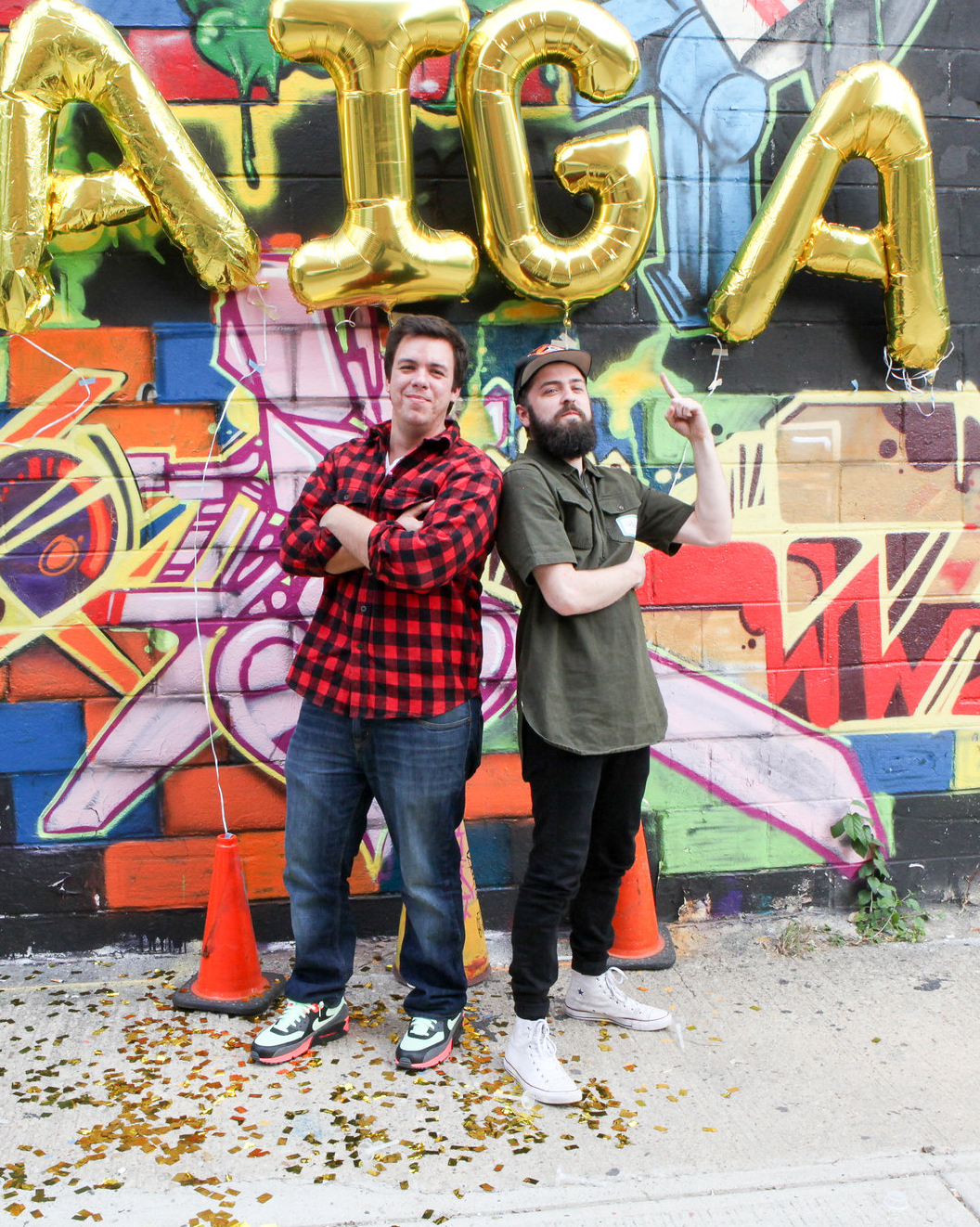
I started Workhorse Collective in 2014 because I wanted to lead with strategy instead of aesthetics. Before that I designed digital products at PBS, built campaigns for brands like Intel and Google at David All Group, and spent six years on the board of AIGA DC helping shape DC Design Week and the design community in Washington, DC.
In school I studied visual communication, typography, and traditional book design at Northern Illinois University. That foundation in print, editorial, and traditional media still shows up in how I think about hierarchy and composition, even when the work is entirely digital.
Over the last two years my design practice has evolved into research and application of AI. I've been figuring out how LLMs can support the kind of strategic brand work I've always done, and helping other experienced practitioners use these tools without sacrificing the judgment that makes the work good. That's become a growing part of the practice: working with organizations on where AI fits into their creative operations and training their teams to use it well.
David All Group
AIGA DC Board
DC Studio as the Innovation Lab
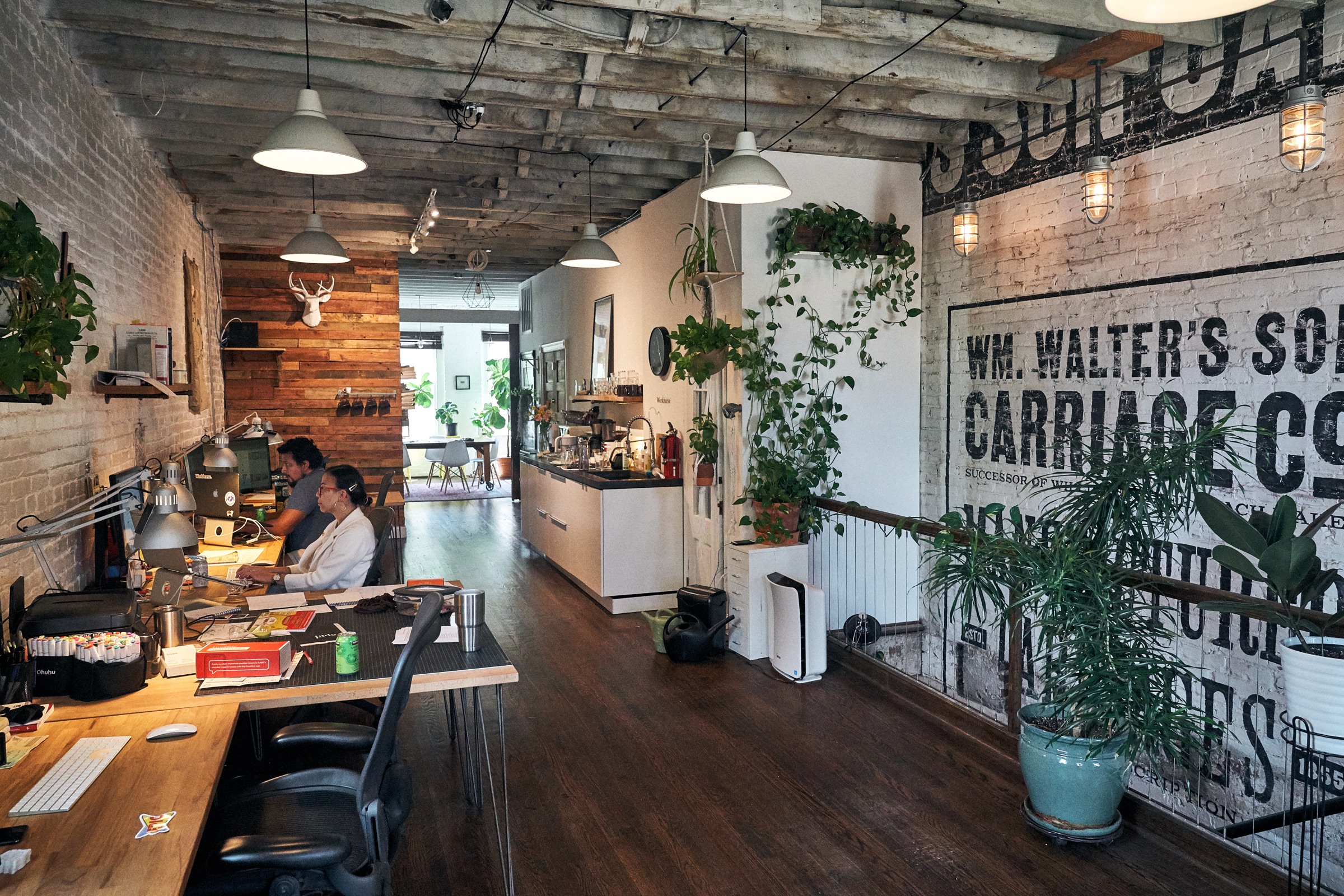
I work from a 1904 carriage house on Capitol Hill in Washington, DC. It's part workshop, part design studio, a space set up for building, prototyping, and thinking through problems with your hands as much as your screen.
Outside the studio.
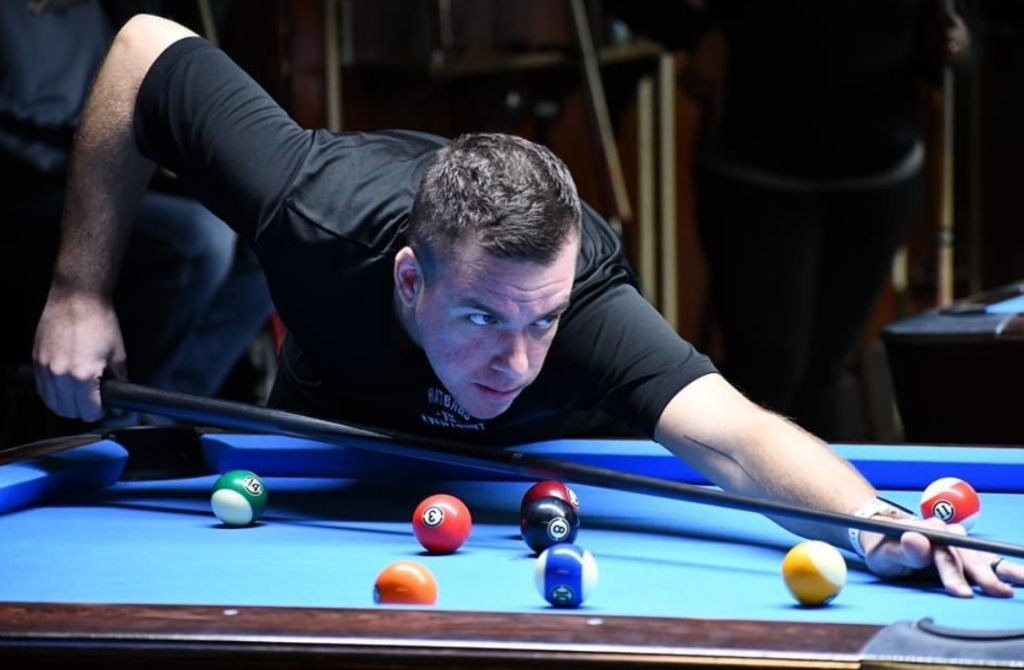
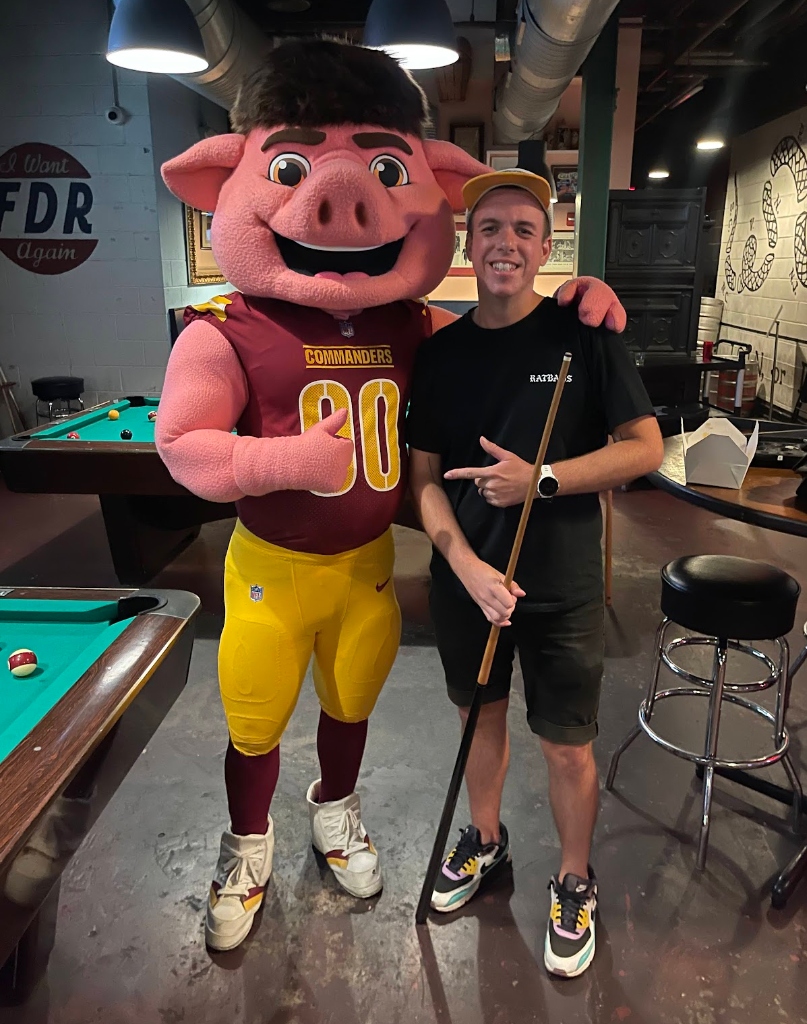
When I'm not building brands, I'm with my wife and our cat Lily, or I'm playing pool. In DC I run a monthly tournament, captain an APA league team, and qualified for the APA World Pool Players Championship in Las Vegas in 2024. Pool aligns with how I think. It rewards problem solving, geometry, reading your opponent. Structure, strategy, and psychology all running at once.
That mindset has led me to build within the sport too. I develop tools for the cue sports industry, most recently a live streaming app for capturing and sharing matches. I also founded District Carbon, a cue brand focused on performance and identity. I approach all of it as an operator, looking for ways to improve the system and create something people want to be part of.
Let's work together.
If you're looking for brand work, a fractional creative director to get your team in shape, or AI consulting and training, I'd like to hear what you're working on.